How to choose the right Laboratory Equipment for Your Institution
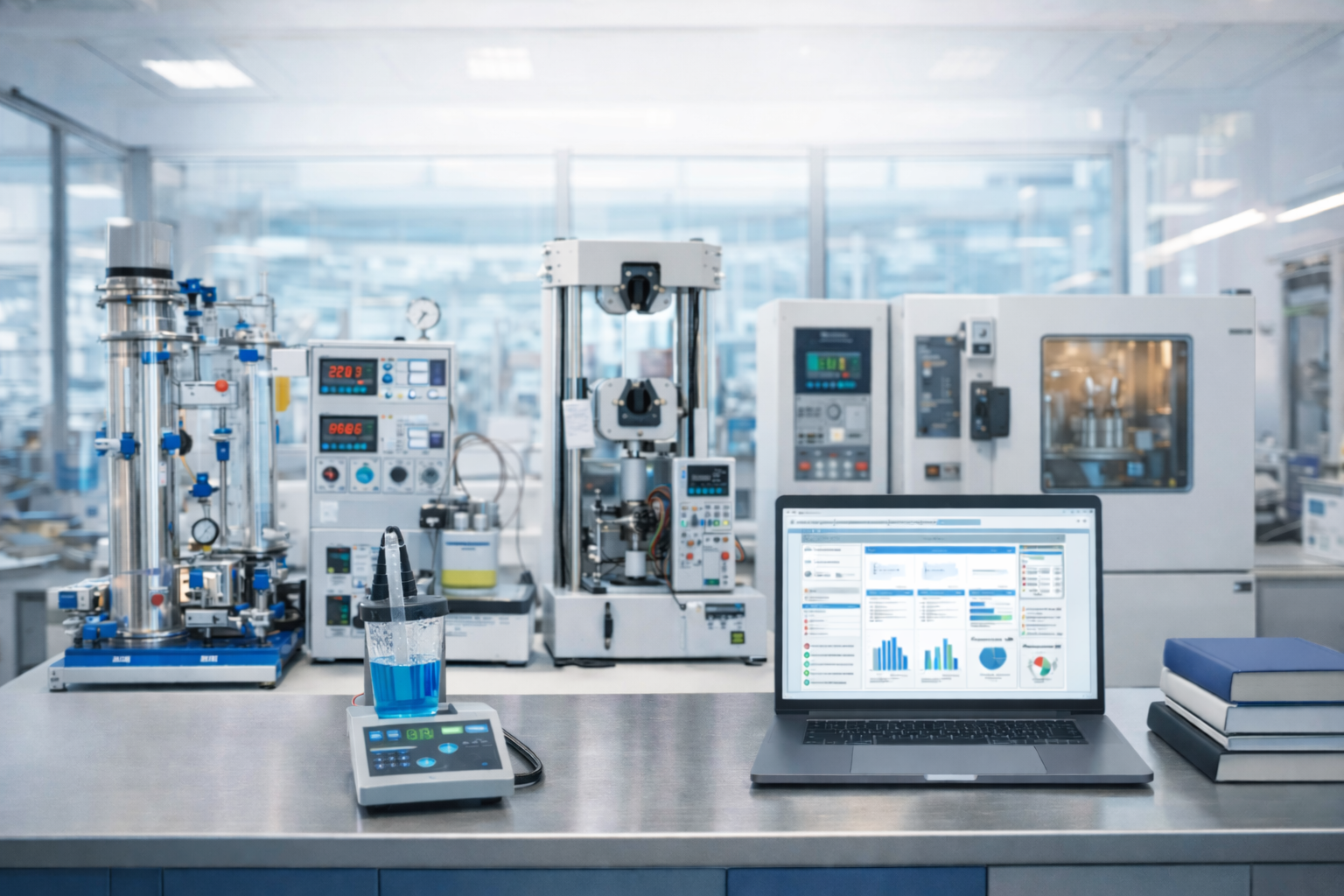
Selecting the right laboratory equipment is one of the most important decisions for any academic institution, research facility, or industrial lab. The quality, functionality, and suitability of your equipment directly affect learning outcomes, research accuracy, and operational efficiency.
With so many options available, making the right choice requires more than just comparing prices — it requires a clear understanding of your needs, long-term goals, and technical requirements.
1. Define the Purpose of Your Laboratory
Before selecting any equipment, you must clearly understand what the lab is intended for.
Different labs require different setups:
- Teaching labs → simple, durable, easy-to-use equipment
- Research labs → high-precision, advanced systems
- Industrial labs → heavy-duty, performance-focused equipment
Choosing equipment without defining purpose leads to wasted budget and underused tools.
2. Prioritize Quality Over Cost
A common mistake institutions make is choosing the cheapest option available. While this may reduce initial cost, it often results in:
- frequent breakdowns
- inaccurate results
- higher maintenance costs
High-quality equipment ensures:
- long-term reliability
- consistent performance
- better return on investment
3. Ensure Compatibility with Curriculum or Application
Equipment should align with what students or professionals are expected to learn or perform.
Ask:
- Does this equipment support required experiments?
- Does it match course objectives?
- Can it handle future curriculum upgrades?
Mismatched equipment reduces learning effectiveness.
4. Evaluate Ease of Use
Especially in educational environments, equipment should be:
- user-friendly
- clearly labeled
- simple to operate
Complex systems without proper usability can:
- slow down learning
- increase user errors
- require excessive supervision
5. Consider Maintenance and Support
Every piece of laboratory equipment requires maintenance.
Before purchasing, check:
- availability of spare parts
- ease of servicing
- supplier support
Reliable support saves time and prevents long downtime.
6. Check Safety Standards
Safety is non-negotiable.
Ensure equipment:
- meets international safety standards
- includes protective features
- is suitable for student use
Poor safety decisions can lead to accidents and liability issues.
7. Plan for Scalability
Your lab will grow.
Choose equipment that:
- allows upgrades
- integrates with other systems
- supports future expansion
This prevents needing to replace everything later.
8. Work with a Trusted Supplier
The supplier you choose matters as much as the equipment itself.
A good supplier provides:
- technical guidance
- product documentation
- after-sales support
This ensures you’re not left alone after purchase.
🔗 Recommended Equipments
To equip your lab with reliable and high-performance systems, consider:
- Measurement-and-data-acquisition
- Chemical and process Engineering Equipment
- Environmental & Waste Management Equipment
- Soil and Geotechnical Testing Equipment