Common Laboratory Equipment Mistakes and How to Avoid Them
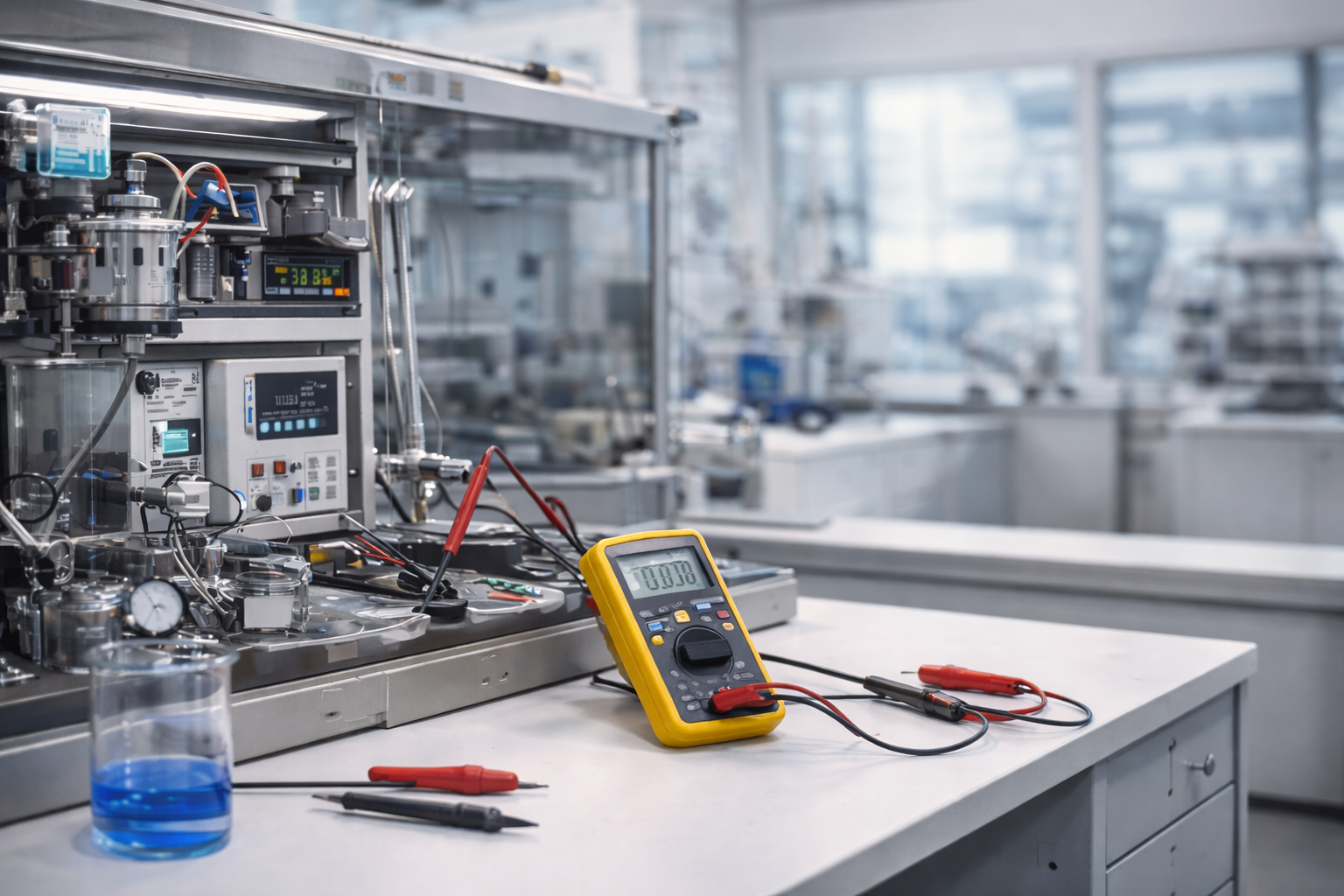
Laboratory equipment plays a critical role in ensuring accurate results, safety, and efficiency in both academic and industrial environments. However, many laboratories make avoidable mistakes when selecting, using, or maintaining their equipment. These mistakes can lead to inaccurate data, increased costs, and even safety risks.
Understanding these common issues — and how to avoid them — is essential for maintaining a reliable and high-performing laboratory.
1. Choosing Low-Quality Equipment
One of the most common mistakes is prioritizing cost over quality. While cheaper equipment may seem like a cost-saving option initially, it often results in frequent breakdowns, inaccurate readings, and higher long-term expenses.
How to avoid it:
- Invest in reliable, tested equipment
- Choose suppliers with proven track records
- Focus on durability and performance, not just price
2. Lack of Regular Maintenance
Laboratory equipment requires routine maintenance to function correctly. Ignoring maintenance schedules can reduce efficiency and shorten the lifespan of equipment.
How to avoid it:
- Create a maintenance schedule
- Perform regular inspections
- Replace worn-out components early
3. Improper Equipment Usage
Using equipment without proper understanding or training can lead to damage and inaccurate results. This is especially common in educational labs.
How to avoid it:
- Provide training for users
- Follow manufacturer guidelines
- Ensure proper supervision in student labs
4. Poor Calibration Practices
Calibration ensures that equipment provides accurate and consistent results. Skipping calibration leads to unreliable data, which can compromise research outcomes.
How to avoid it:
- Calibrate equipment regularly
- Use certified calibration standards
- Keep calibration records
5. Ignoring Safety Features
Some laboratories overlook safety features to save time or cost. This increases the risk of accidents and equipment damage.
How to avoid it:
- Use equipment with built-in safety systems
- Ensure proper installation
- Follow all safety protocols
6. Buying Equipment Without Proper Planning
Purchasing equipment without considering lab requirements often results in underutilized or incompatible systems.
How to avoid it:
- Assess your lab’s needs first
- Match equipment to specific applications
- Plan for future scalability
🔗 Recommended Equipments
To equip your lab with reliable and high-performance systems, consider:
- Measurement-and-data-acquisition
- Chemical and process Engineering Equipment
- Environmental & Waste Management Equipment
- Soil and Geotechnical Testing Equipment