How Much Does It Cost to Set Up a Laboratory?
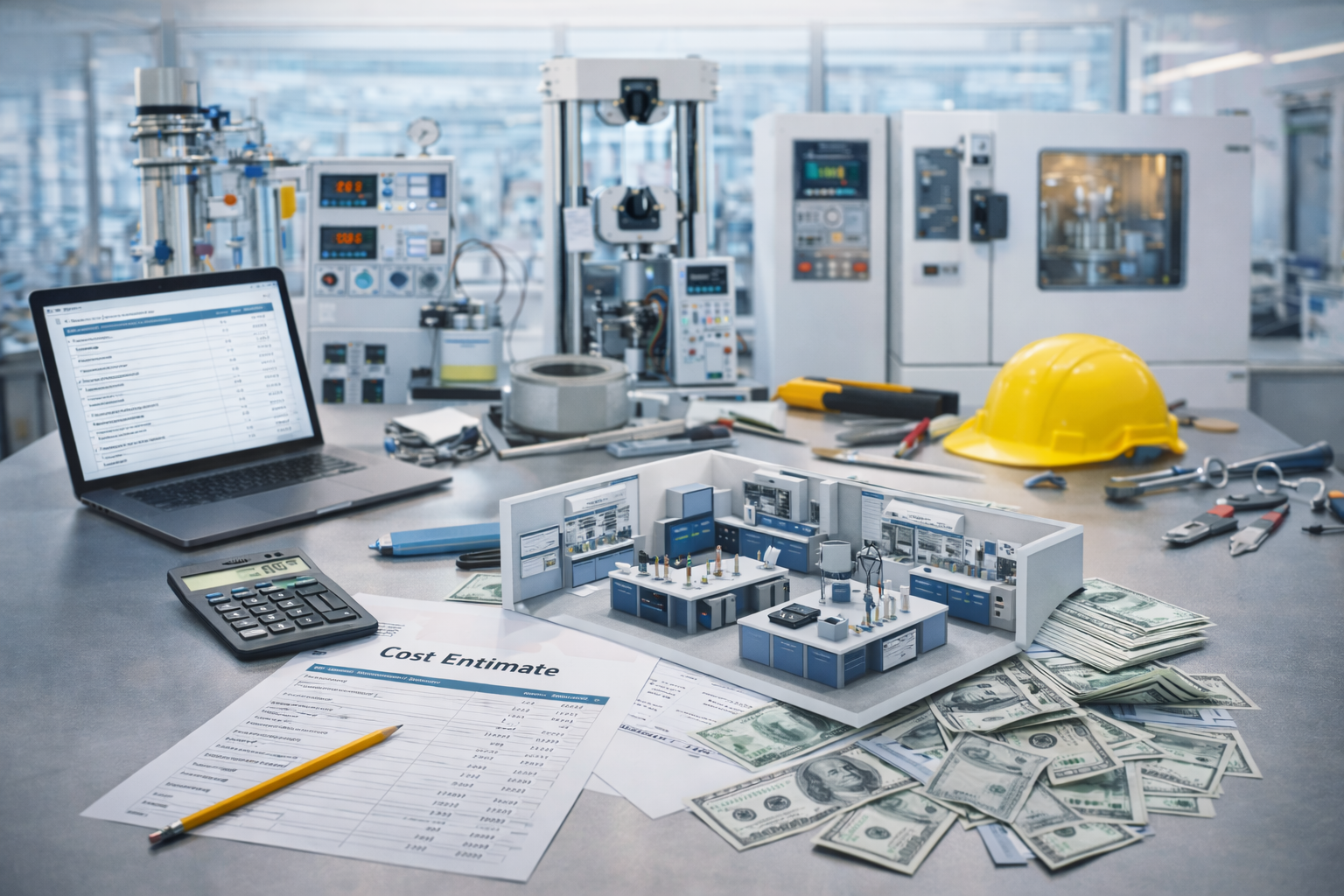
Setting up a laboratory is a significant investment that requires careful planning and a clear understanding of both upfront and long-term costs. Whether you are building a university lab, research facility, or industrial testing space, the total cost depends on multiple factors including equipment type, lab size, and level of sophistication.
Rather than focusing only on initial expenses, institutions should consider overall value, durability, and scalability to ensure a cost-effective and future-ready laboratory.
1. Type of Laboratory
The first factor influencing cost is the type of laboratory being set up.
- Teaching Laboratories
Designed for basic experiments and demonstrations.
Lower cost, simpler equipment - Research Laboratories
Require high precision and advanced instrumentation.
Higher cost due to specialized systems - Industrial Laboratories
Built for heavy usage and performance testing.
Highest cost with robust and durable equipment
2. Equipment Selection and Quality
Equipment is the largest portion of your budget.
High-quality equipment:
- lasts longer
- provides accurate results
- reduces maintenance issues
Lower-quality equipment:
- breaks down faster
- increases long-term costs
- affects reliability
Investing in quality upfront reduces total cost over time.
3. Laboratory Space and Infrastructure
Beyond equipment, the physical setup of the lab plays a major role.
Costs may include:
- electrical systems
- ventilation and safety systems
- benches and storage
- installation setup
Poor infrastructure planning leads to additional unexpected expenses.
4. Installation and Setup Costs
Setting up equipment properly is critical.
This may involve:
- professional installation
- calibration
- system integration
Improper setup can reduce equipment efficiency and lifespan.
5. Maintenance and Operational Costs
A common mistake is ignoring ongoing costs.
These include:
- routine maintenance
- calibration
- replacement parts
A well-maintained lab operates more efficiently and lasts longer.
6. Staff Training and Usability
Training is often overlooked but essential.
Proper training:
- prevents equipment damage
- improves efficiency
- ensures safety
Equipment is only as effective as the people using it.
7. Scalability and Future Expansion
Your lab should be built with growth in mind.
Consider:
- adding new equipment later
- upgrading systems
- expanding capabilities
Planning ahead avoids costly redesigns.
💰 Estimated Cost Overview (Realistic Positioning)
Instead of fixed numbers, think in ranges:
- Small Teaching Lab → Lower investment, essential equipment
- Mid-Level Lab → Balanced setup with broader capabilities
- Advanced Lab → High investment with specialized systems
Final cost depends on your exact requirements and equipment choices.
🔗 Recommended Equipments
To equip your lab with reliable and high-performance systems, consider:
- Measurement-and-data-acquisition
- Chemical and process Engineering Equipment
- Environmental & Waste Management Equipment
- Soil and Geotechnical Testing Equipment
Common Cost Mistakes to Avoid
- focusing only on initial cost
- ignoring maintenance expenses
- buying incomplete setups
- not planning for future needs
These mistakes lead to higher long-term costs.
Conclusion
Setting up a laboratory is not just about purchasing equipment — it is about building a functional, reliable, and scalable system. By considering all cost factors and focusing on long-term value, institutions can create a lab environment that supports learning, research, and innovation.